
America’s largest retailers are quietly preparing for what could be one of the biggest profit surges in decades — powered not by new store openings or flashy ad campaigns, but by artificial intelligence.
From Walmart and Target to Amazon and Costco, AI-driven systems are being deployed across nearly every layer of retail operations. Whether it’s streamlining supply chains, predicting consumer demand with unprecedented accuracy, or cutting labor costs with automated “digital employees,” the technology promises to add billions of dollars to the bottom line.
Smarter Shelves, Faster Deliveries
Inventory management has long been one of retail’s biggest pain points. Overstocking eats into margins, while understocking drives customers to competitors. AI forecasting tools now analyze everything from local weather trends to TikTok-driven buying spikes, enabling retailers to stock precisely what shoppers will want, when they’ll want it.
For companies like Walmart, which sells more than 120,000 items in a typical store, even a 1% improvement in inventory accuracy can translate to billions in savings annually.
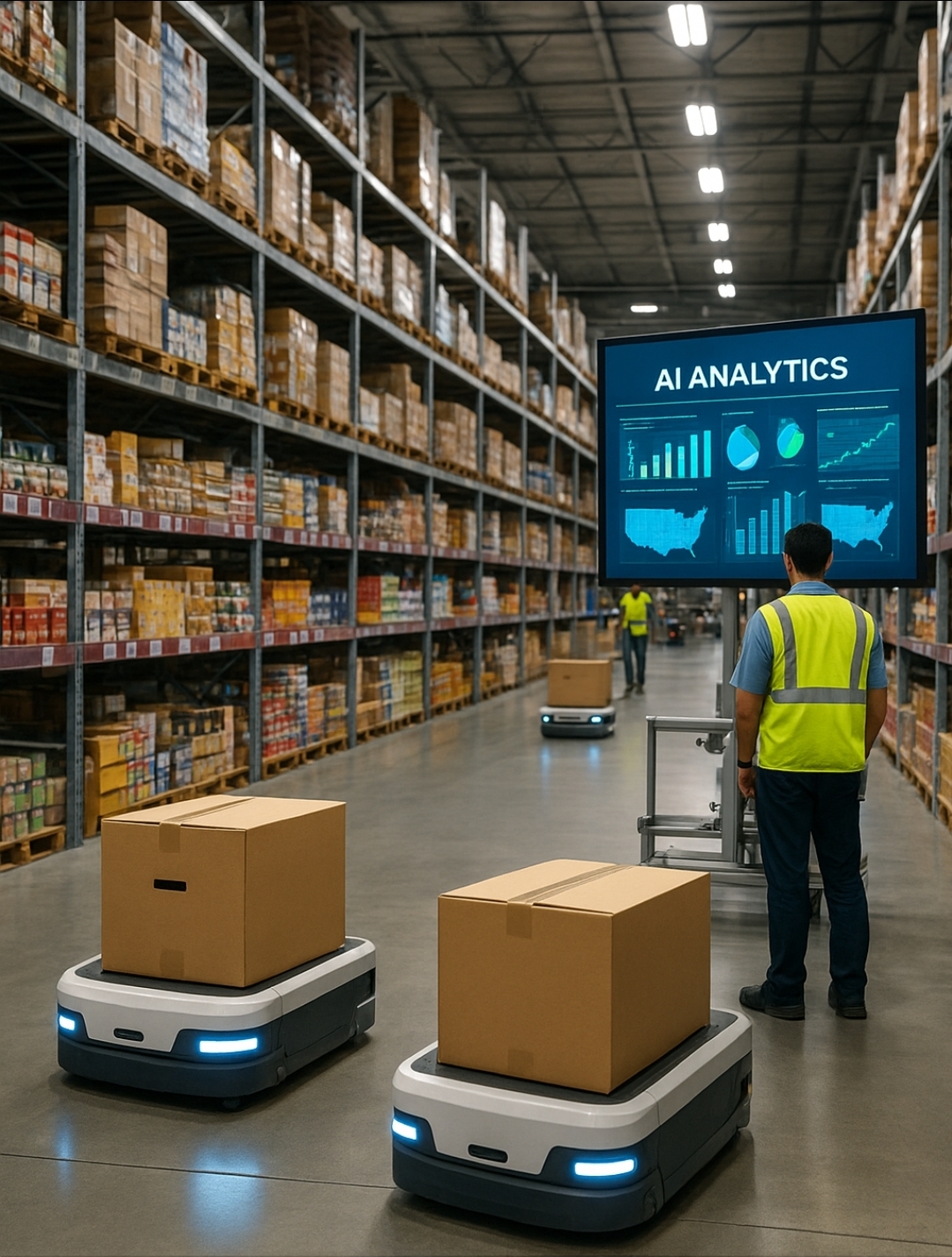
AI is also making fulfillment faster and cheaper. Amazon’s warehouse robotics and delivery route optimization already shave minutes and dollars off every package. Rival retailers are racing to adopt similar systems to stay competitive.
The Rise of the AI Employee
Perhaps the most controversial change is on the labor front. Retailers are experimenting with AI-powered customer service agents, chatbots, and even voice assistants that can handle calls, returns, and product inquiries. While these “AI employees” don’t call in sick or take vacations, they do raise questions about the future of human jobs in the sector — which employs nearly 16 million Americans.
Still, for corporate leaders under pressure to boost margins in a tight economy, the math is compelling. AI-powered call centers, for example, can cut customer service costs by up to 60%.